Texas Hold’em is one of the most popular and widely played variants of poker in the world. Whether you’re sitting at a friendly home game or competing in an online tournament, understanding the rules, strategy, and tools that can help improve your game is essential. In this guide, we’ll walk through the basics of Texas Hold’em, explain key game mechanics, and explore how a poker analyzer can give you deeper insights into your hand outcomes.

What Is Texas Hold’em?
Texas Hold’em is a community-card poker game where each player is dealt two private cards (known as hole cards) and shares five community cards. The objective is simple: make the best possible five-card poker hand using any combination of your hole cards and the community cards.
The Table and Players
A typical Hold’em table accommodates between 2 and 10 players. Games can be played in cash game format, where players can buy in with chips at any time, or tournament format, where players start with equal stacks and play until one person has all the chips.
The dealer button rotates clockwise after each hand, moving the responsibilities of posting blinds and dealing accordingly.

Game Setup: Blinds and Positions
Before cards are dealt, two players must post forced bets known as the small blind and big blind. This initiates action and creates a pot to compete for.
- Small Blind – Posted by the player immediately left of the dealer.
- Big Blind – Posted by the player two seats to the left of the dealer.
Positions around the table are crucial in Hold’em, as being later in the betting order provides strategic advantages.
The Deal: How Cards Are Distributed
Once blinds are posted, each player receives two private cards face down. These are your hole cards, and only you may use them.
Betting Rounds
Texas Hold’em features four betting rounds. Let’s break them down:
- Pre-Flop
After receiving hole cards, players evaluate their starting hands and decide whether to call, raise, or fold.
- The Flop
The dealer places the first three community cards face up. Another round of betting follows, starting with the player to the left of the dealer.
- The Turn
A fourth community card is dealt. Betting resumes with updated information and changing odds.
- The River
The fifth and final community card is revealed. This leads into the final betting round.
Showdown: Determining the Winner
After the final bet, if more than one player remains, a showdown occurs. Players reveal their hole cards and the best five-card hand wins the pot.
Texas Hold’em Hand Rankings
Understanding hand rankings is vital. From highest to lowest:
- Royal Flush – A♦ K♦ Q♦ J♦ 10♦
- Straight Flush – Five consecutive cards of the same suit
- Four of a Kind – Four cards of the same rank
- Full House – Three of a kind plus a pair
- Flush – Five cards of the same suit
- Straight – Five consecutive cards
- Three of a Kind
- Two Pair
- One Pair
- High Card
Basic Strategy Tips
Though Texas Hold’em is easy to learn, mastering it takes practice. Here are some core strategy pointers:
- Play Tight Early – Stick to premium hands in early positions.
- Be Aggressive in Late Position – Use position to pressure opponents.
- Observe Betting Patterns – Opponent behavior often reveals intentions.
- Manage Your Bankroll – Only play stakes you can afford.
What Is a Poker Analyzer?
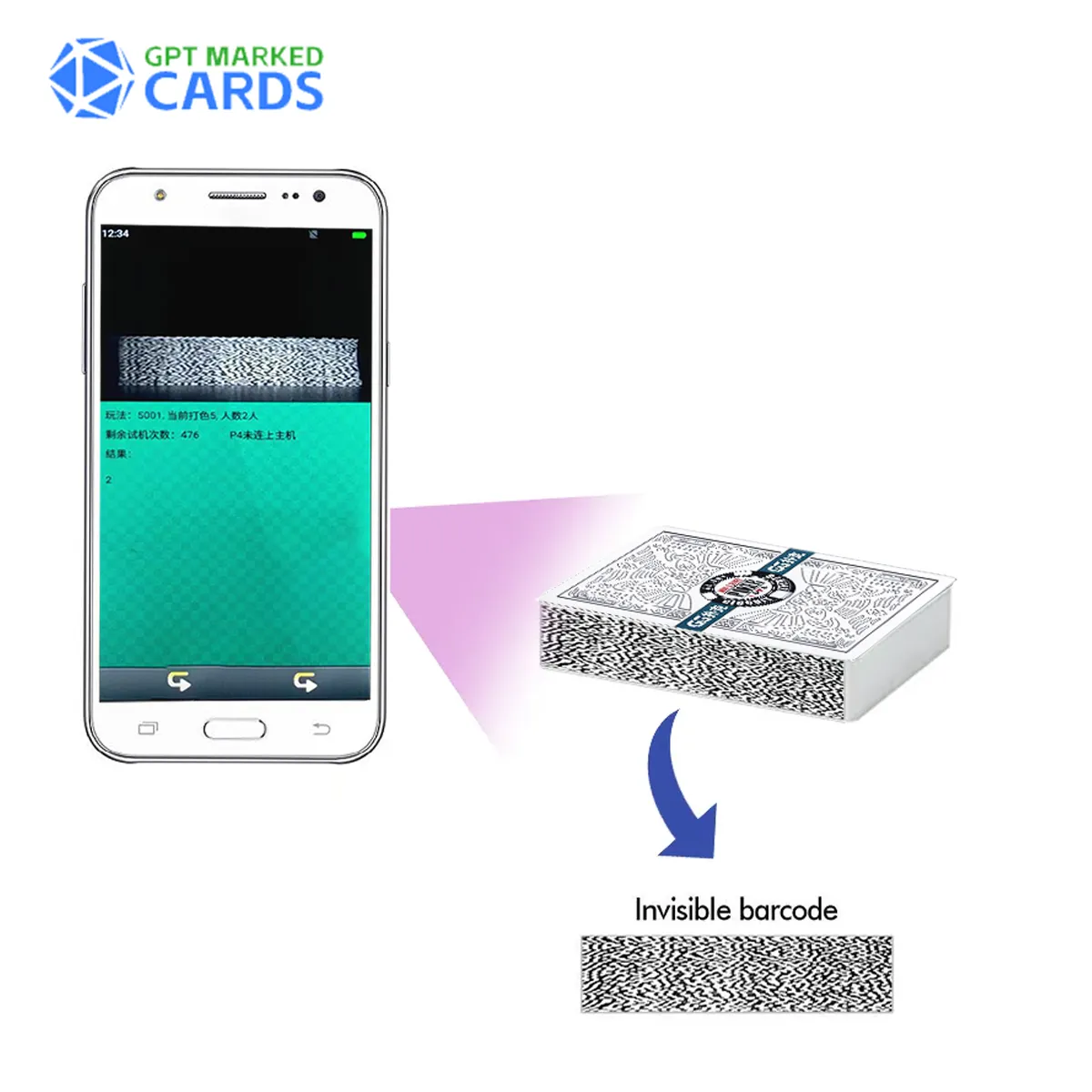
A poker analyzer is a specialized device designed to scan and process marked cards that contain barcode-like identifiers. These identifiers allow the system to decode each card and determine hand outcomes with precision. The results are transmitted to you via a Bluetooth earpiece, giving you accurate winner information in under a second.
This tool supports multiple poker variants including Texas Hold’em, Omaha, Short Deck, and even Blackjack, making it a versatile aid for players and analysts alike.
How Poker Analyzers Work
Here’s a closer look at how these systems operate:
- Scanning Technology
- Poker analyzers can use either:
- Local Cameras – Your device’s built-in camera can scan cards at close range (typically 25–45cm).
Wireless Cameras – Small wireless cameras can be placed discreetly around the table when local cameras aren’t feasible. These can be mounted on everyday objects like power banks, watches, or keychains.
- Decoding and Processing
Once cards are scanned, the analyzer’s internal system decodes the barcodes and identifies each card in play. The system can compute which hand wins each round in real time.
- Result Delivery
Within one second, the analyzer determines the winning hand and delivers that information directly to you through a Bluetooth headset. This rapid analysis allows players to verify outcomes with complete confidence.
Benefits of Using a Poker Analyzer in Hold’em
A poker analyzer isn’t just a scanner — it’s a powerful analytical tool that enhances your understanding of the game:
- Accurate Results – 100% precise identification of winning hands and outcomes.
- Multi-Game Support – Works with Hold’em, Omaha, Short Deck, and Blackjack.
- Versatile Scanning – Choose between local or wireless camera setups.
- Seamless Integration – The device looks like a regular smartphone, allowing you to blend in naturally.
Whether you’re studying hand histories, reviewing results, or simply aiming to understand the dynamics of a particular session, a poker analyzer accelerates your learning curve.
When to Use a Poker Analyzer
For players who review large sessions or want detailed feedback after games, poker analyzers provide:
- Instant knowledge of outcomes
- Historical data for pattern analysis
- Better insight into opponents’ decision-making
These benefits make them valuable for serious players seeking to elevate their game.
Conclusion
Texas Hold’em is a dynamic and strategic poker game loved around the world. From mastering the basic rules and understanding hand rankings to applying strategic betting and positional awareness, there’s always more to learn and refine.
For players looking to deepen their analysis and understanding of outcomes, integrating a poker analyzer into your study routine can offer precise results and valuable insights. With support for Hold’em, Omaha, Short Deck, and more, these tools give players a clear picture of hand winners in real time and help turn experience into improvement.