In the world of poker, gaining an edge can make all the difference, especially for beginners looking to level up their game discreetly. A poker cheating analyzer, also known as a poker scanning device or cheating analyzer for poker, is a sophisticated tool designed to scan marked cards and predict outcomes in real-time. These devices are particularly popular for games like Texas Hold’em and Omaha, where quick insights into hand rankings can turn the tide. If you’re new to this, selecting an entry-level poker analyzer might seem overwhelming, but with the right guidance, you can find a reliable option that fits your needs. This guide breaks down everything you need to know, from key features to practical tips.
What is a Poker Cheating Analyzer?
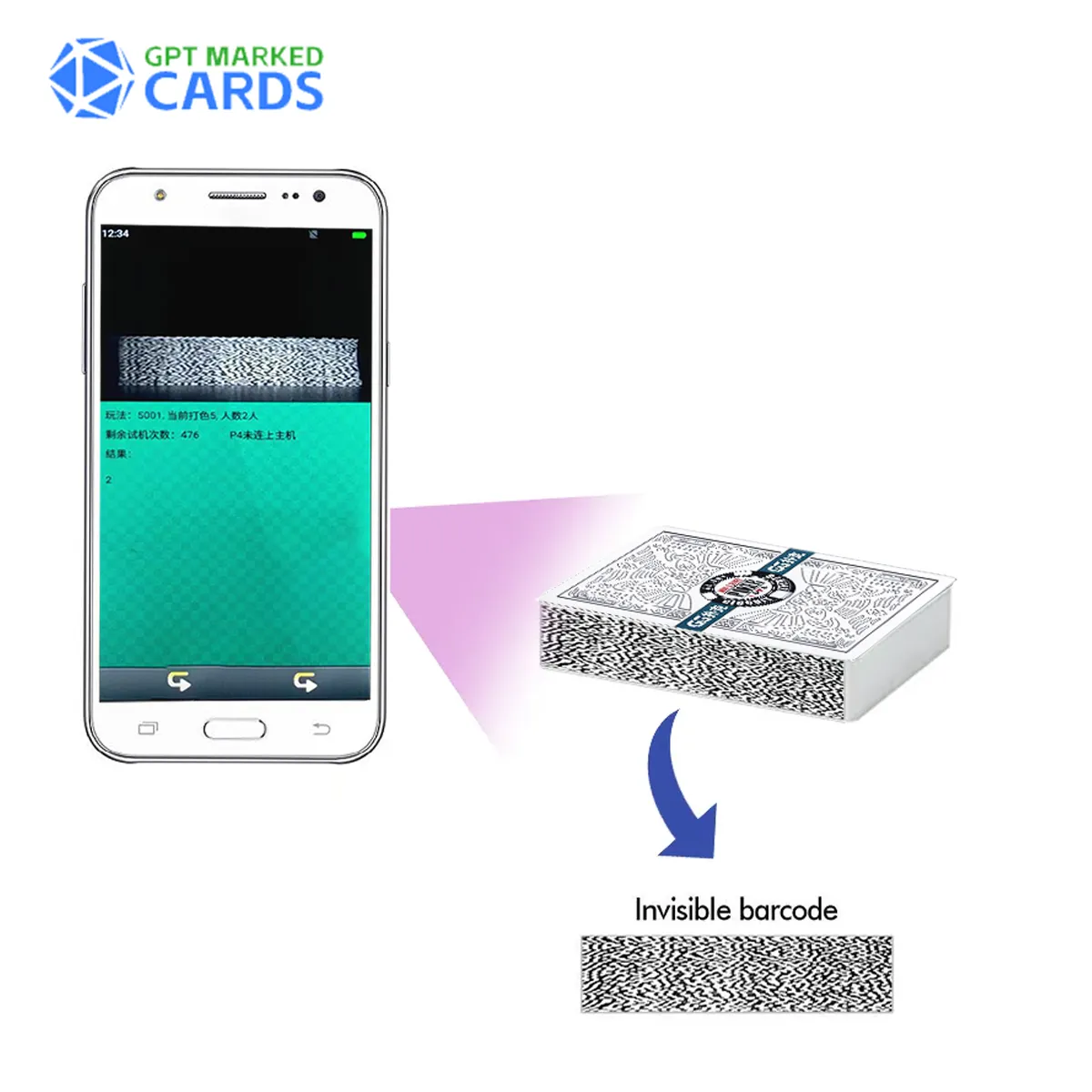
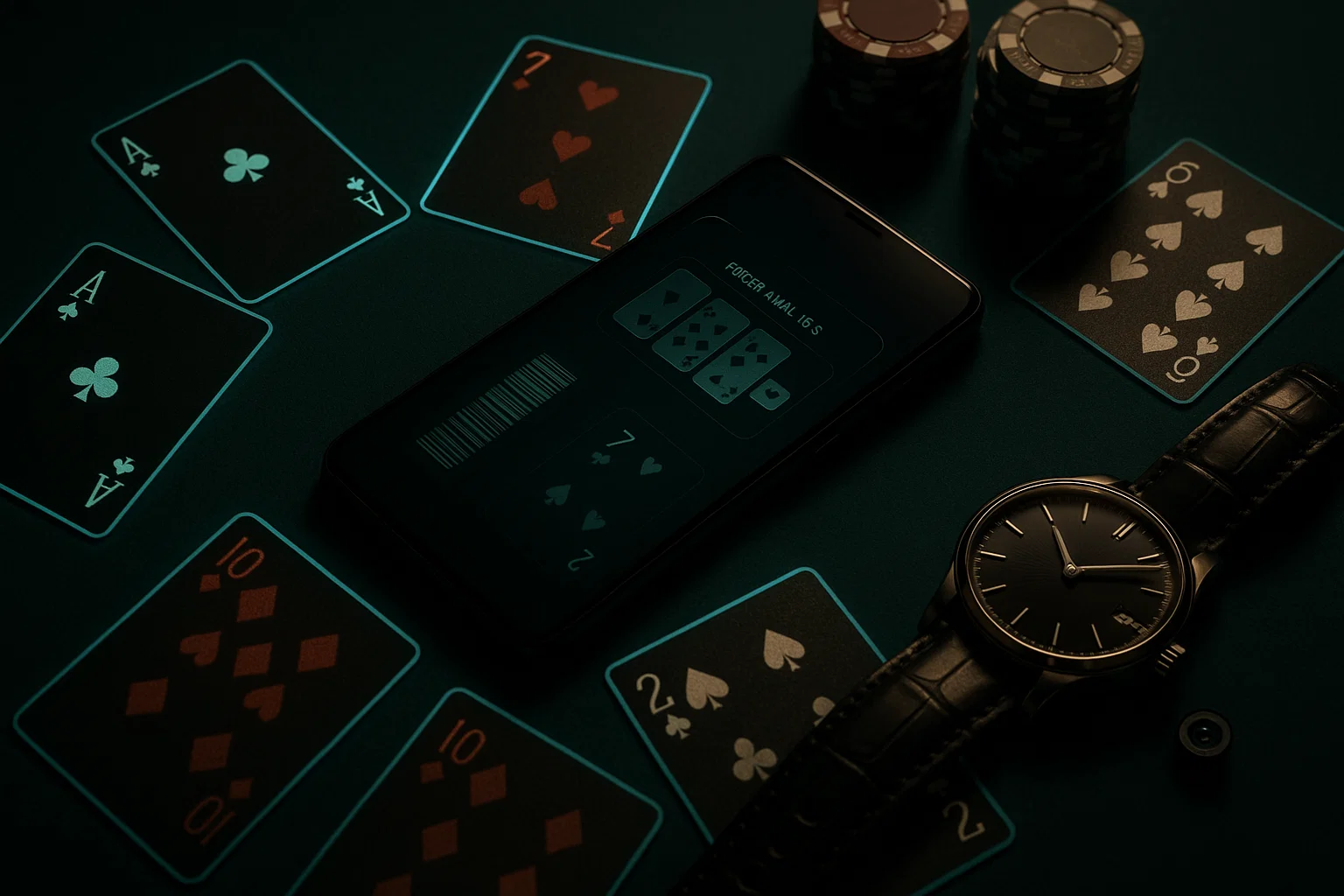
A poker cheating analyzer, which looks just like an ordinary smartphone, is a compact electronic device that works with barcode playing cards to analyze poker hands instantly. Unlike traditional marked cards visible only through special lenses, these analyzers use barcode technology for seamless scanning. They decode the information on the cards to determine the winner of each round, delivering results via discreet methods like Bluetooth earpieces or vibrations. Entry-level models are ideal for beginners because they often come pre-configured, making setup straightforward without advanced technical knowledge.
Common uses include private games or casual tournaments where subtlety is key. For instance, in Texas Hold’em, the device can scan community cards and player hands to forecast the best possible outcome, giving you a strategic advantage.
Key Features to Look For in an Entry-Level Poker Analyzer
When exploring entry-level poker scanner features and compatibility, focus on aspects that ensure ease of use and reliability. Based on top-rated options in the market, here are the essentials:
- Scanning Distance: Opt for models with a 20-40cm range, as this allows flexible placement without drawing attention. Shorter distances might limit usability in larger tables.
- Compatibility with Marked Cards: Ensure it’s designed for barcode-marked cards only, as these are invisible to the naked eye and work exclusively with analyzers. Avoid mixing with contact lens-compatible decks.
- Result Delivery Methods: Beginners should prioritize devices with multiple options, such as Bluetooth earpieces for voice feedback, vibration alerts (where frequency indicates the winner), or even time-mode displays on a connected phone.
- Battery Life and Portability: Look for pocket-sized designs with long-lasting batteries to support extended sessions. While specifics vary, aim for models that last several hours on a single charge.
- Game Support: Entry-level analyzers typically handle popular variants like Texas Hold’em (showing 2 cards) or Omaha (up to 5 cards). Some support frequency switching for added versatility.
- Additional Accessories: Consider bundles with external wireless cameras if you can’t place the device directly on the table.
These features make entry-level models affordable and user-friendly, often priced reasonably to appeal to newcomers.

How to Choose the Right One for Beginners
Wondering how to choose a beginner poker cheating analyzer? Start by assessing your playing environment and skill level. Here’s a step-by-step guide with tips for selecting poker cheating tools for beginners:
- Define Your Game Type: If you’re into Texas Hold’em, go for analyzers optimized for 2-card scanning. For Omaha, ensure it supports multi-card displays.
- Budget Considerations: Entry-level options are budget-friendly, but compare prices across reputable sellers. Focus on value—cheaper models might lack advanced frequencies but are sufficient for casual play.
- Ease of Setup: Choose pre-configured devices where sellers handle most settings. Adjustable controls for player numbers (e.g., adding/removing during a game) are a plus for dynamic sessions.
- Discretion and Flexibility: Prioritize wireless camera compatibility for scenarios where the analyzer can’t be near the cards. Test scanning in low-light conditions if your games are in varied environments.
- Read Reviews and Test Compatibility: Look for user feedback on reliability with barcode scanning. Always pair with high-quality marked cards to avoid errors.
By following these steps, you’ll find the best entry-level poker analyzer for Texas Hold’em or similar games, enhancing your confidence without complexity.
Pros and Cons of Beginner Poker Analyzers
Like any tool, entry-level poker analyzers have their strengths and weaknesses. Here’s a balanced view of the pros and cons of beginner poker analyzers:
- Pros:
- Affordable and accessible for newcomers.
- Discreet operation with multiple output methods, reducing the risk of detection.
- Versatile for games like Texas Hold’em and Omaha.
- Easy integration with accessories like external cameras.
- Cons:
- Limited to barcode-marked cards, requiring specific purchases.
- Scanning range (20-40cm) might not suit all table setups.
- Potential for battery drain in long games if not monitored.
- Learning curve for result interpretation, though minimal in entry-level models.
Overall, the benefits outweigh the drawbacks for casual users seeking an edge.

FAQ
Here are some frequently asked questions about entry-level poker cheating analyzers to address common concerns:
What is the best entry-level poker analyzer for Texas Hold’em?
How does a barcode poker analyzer work with marked cards?
Are entry-level poker scanning devices detectable?
Can beginners set up a poker cheating analyzer easily?
What accessories do I need for an entry-level poker cheating system?
In conclusion, choosing an entry-level poker cheating analyzer can transform your poker experience, providing that subtle advantage beginners crave. Remember to practice responsibly and pair it with quality marked cards. For premium options and expert advice, check out our website GPT Marked Cards.