Looking for easy-to-remember advice that can instantly improve your No Limit Hold’em game? You’re in the right place.

We’ve rounded up 11 simple strategies that can boost your confidence and results whether you play tournaments, cash games, live or online poker.
You won’t win every hand—no one does—but these tips will raise your win rate over time.
Let’s get started.
Poker Strategy Tips #1: Play Fewer Hands, But Play Them Strongly
In Texas Hold’em, even elite players must be selective about the hands they play preflop. Playing too many weak hands can cost you chips fast—unless you get extremely lucky.
Crafting a strong preflop strategy is the fastest way to improve. You can study ranges or use helpful charts, but the real challenge is sticking to those ranges. Don’t fall into the trap of getting bored and playing junk hands.
Stick to a tight selection of good hands and play them aggressively. Even suited connectors or small pairs become dangerous when played with conviction. When you raise, your opponents won’t easily guess whether you’re holding pocket aces or 6-5 suited. This unpredictability makes you hard to beat.
Poker Strategy Tips #2: Never Open Limp Into a Pot
Limping into a hand (just calling the big blind as the first to act) is rarely a good idea. There are two key issues:
- You give up the chance to take the pot down preflop.
- You invite more players into the pot, reducing your equity.
The only time limping makes sense is when someone else has already limped—called over-limping. In that case, you get better odds and can see a cheap flop with a speculative hand.
Poker Strategy Tips #3: Semi-Bluff With Drawing Hands
Successful bluffing isn’t about wild bets with nothing—it’s about calculated moves using hands with potential.
A smart way to bluff is with hands that can still improve: flush draws, open-ended straight draws, or even overcards. These are known as semi-bluffs, and they give you two chances to win—either now or on a later street.
Avoid bluffing with complete air, especially early in the hand. It’s too risky unless your opponent is clearly weak.
Poker Strategy Tips #4: Bet Strong Hands to Build Bigger Pots
Checking strong hands in hopes your opponent bets often leads to missed value. Many beginners slow-play too often and end up watching their opponent check back the river.
When you flop a monster, you should usually bet. Build the pot early and protect against being outdrawn. However, checking strong hands occasionally is okay when:
- You’re unlikely to get outdrawn.
- Scary turn/river cards are rare.
- Your opponent’s range contains lots of weak hands.
If unsure—bet. Missing out on value is worse than a fold.
Poker Strategy Tips #5: Advanced Poker Tools for Strategic Superiority
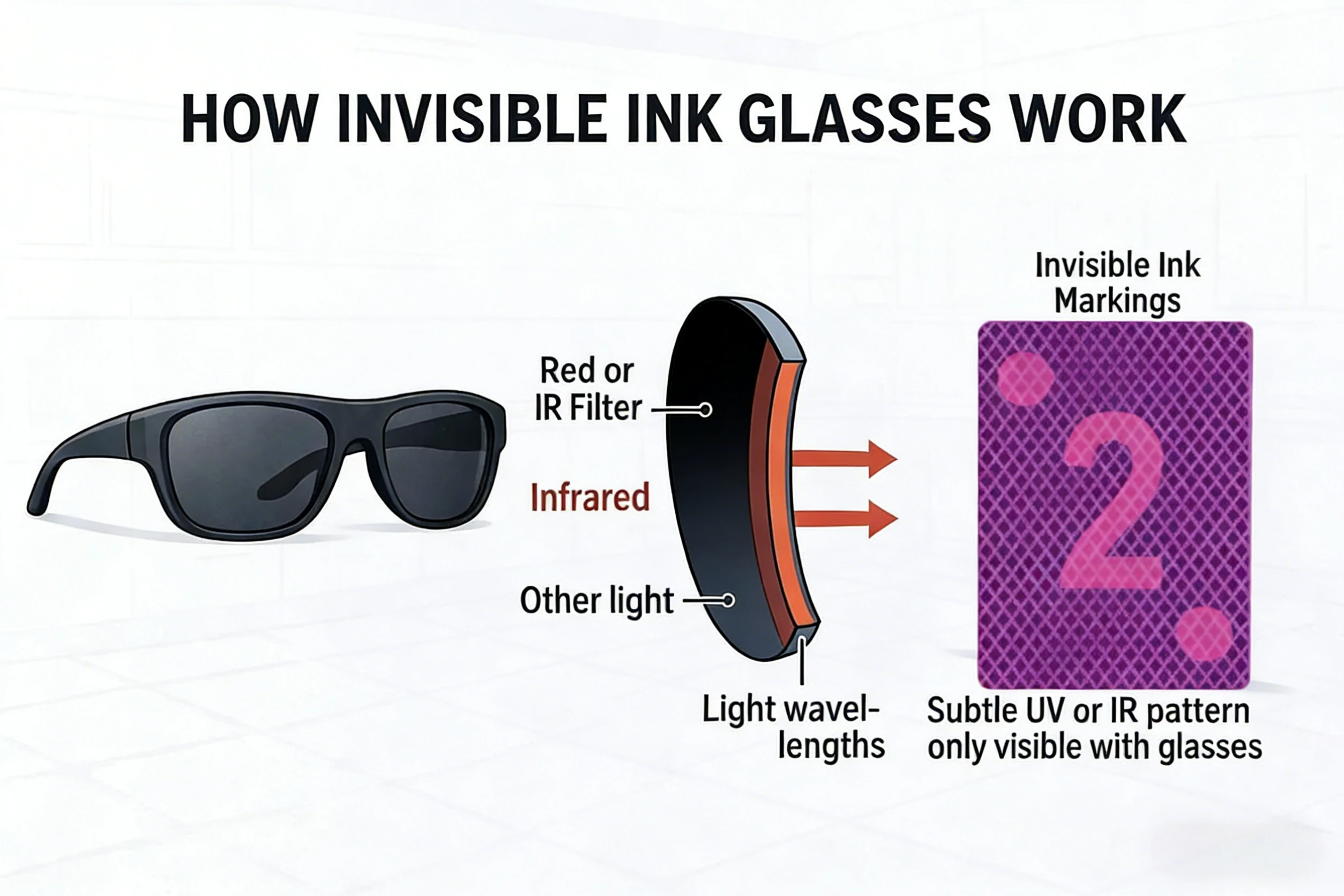
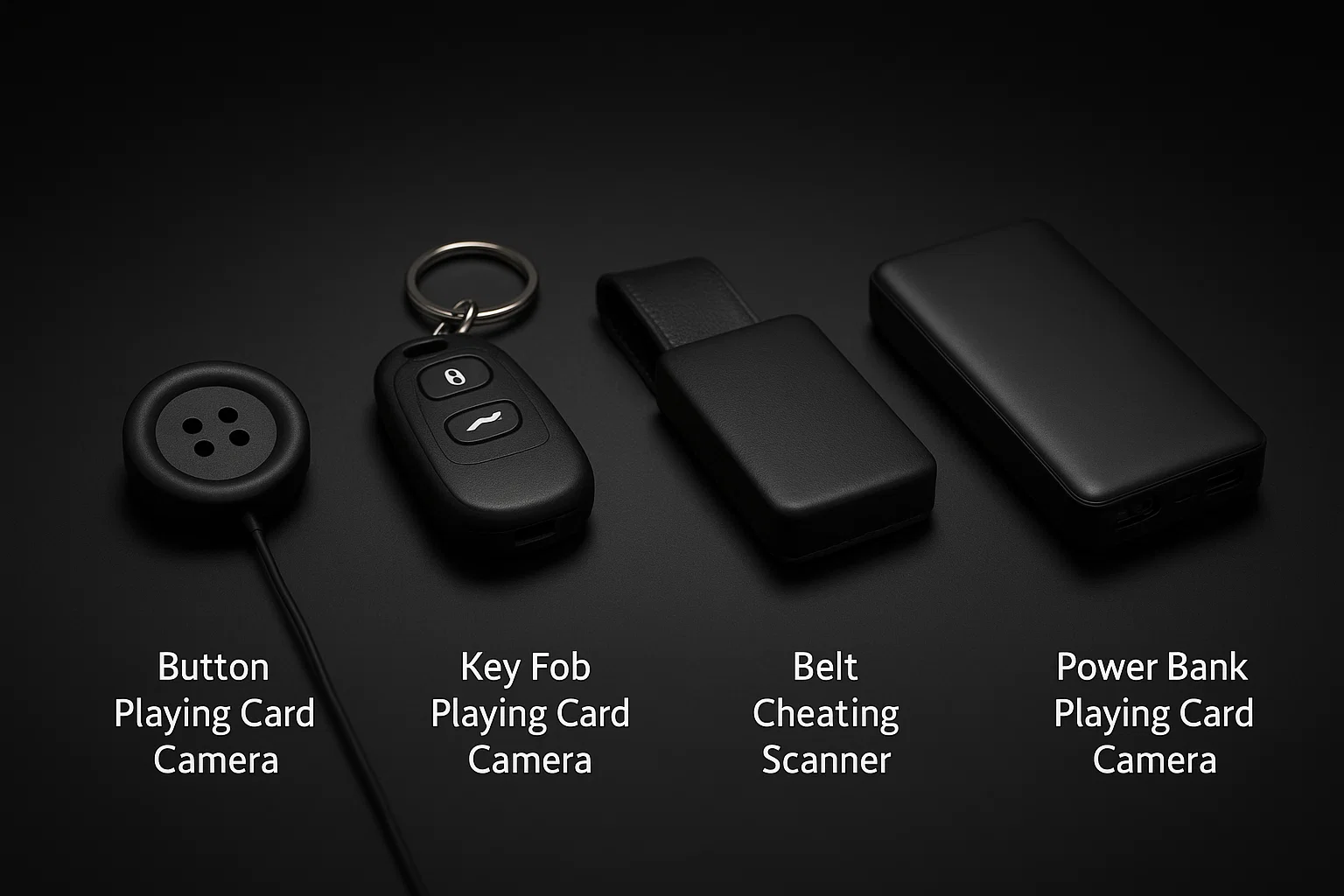
To move beyond the basics, many advanced players incorporate discreet technologies into their gameplay. Tools like the poker analyzer, invisible ink glasses, and infrared contact lenses are designed to deliver fast, precise insights without drawing attention. A poker analyzer reads barcode-marked decks and sends real-time winning predictions to a hidden earpiece—giving players instant data to guide every move.
Meanwhile, invisible ink glasses allow users to clearly view secret markings on the back of cards, visible only under specific light filters. This gives the user a quiet edge that others can’t detect. For even more subtle gameplay, infrared contact lenses offer hands-free control. Worn like standard lenses, they reveal special infrared marks without the need for visible gear, maintaining a completely natural appearance.
Mastering these tools means mastering the game from a higher level.
Infrared Marked Cards vs Barcode Marked Cards: A Comprehensive Comparison
Poker Strategy Tips #6: Defend Your Big Blind Wisely
Since you’ve already invested a blind, you get better odds to call preflop raises from the big blind.
You can profitably defend with wider hands than in other positions, but don’t go too far. Marginal hands like Q-6 suited or K-9 offsuit become playable, depending on:
- The raiser’s position (tighter versus early positions).
- Number of callers (more callers = tighter range).
- Raise size (larger raises = fold more).
- Stack depth (with short stacks, stick to high-card strength).
Adjust your defense range accordingly, and you’ll save—and win—more over time.
Poker Strategy Tips #7: When in Doubt, Let It Go
What separates pros from amateurs? The ability to fold strong but second-best hands.
It’s hard to fold a pair when the board looks safe. Our curiosity wants to see if we’re right. But calling too often is a fast track to losing money.
If you’re unsure whether to call or fold, lean toward folding. Save those chips for a better spot.
Bonus Tip: Record hands where you make tough folds and review them later. You’ll learn faster and refine your instincts.
Poker Strategy Tips #8: Punish Weakness With Aggression
Players often check with marginal hands that can’t withstand multiple bets. When your opponent checks twice in a heads-up pot—especially flop and turn—it’s a green light to attack.
Use your usual semi-bluffs, but also consider bluffing with air if your hand blocks strong combinations. These well-timed bluffs can add up fast.
Poker Strategy Tips #9: Focus on Chip Building Early in Tournaments
Early stages of a tournament aren’t about surviving—they’re about growing your stack.
To cash, you’ll need to multiply your starting chips. That won’t happen by playing scared. Instead, play solid, aggressive poker early and look to double or triple up.
Once you’re close to the money or pay jumps, then you can switch to a more cautious style.

Poker Strategy Tips #10: Don’t Play If You’re Not in the Right Headspace
Poker is a mental game. If you’re feeling frustrated, tired, or tilted—take a break.
Playing when you’re off your game is a sure way to make costly mistakes. It’s better to skip a session than lose a buy-in due to poor decisions.
Try this mental trick: imagine going all-in and busting on the first hand. If the idea doesn’t bother you, you’re probably ready to play.
Poker Strategy Tips #11: Choose Games Where You Have an Edge
Poker is about finding weak opponents. If everyone at the table is better than you, your chances of winning drop drastically.
You should always look for tables where at least one player is clearly making mistakes. Here are signs of a good game:
- Players limp frequently.
- Multiway pots are common.
- Re-raises are too frequent—or nonexistent.
Online? Use site stats to your advantage. Tables with bigger average pot sizes and high player/flop percentages are ideal.
Final Thoughts: From Fundamentals to Forward Thinking
Mastering poker isn’t just about knowing the rules—it’s about refining every decision you make at the table. These ten tips lay the groundwork for smarter, more strategic play whether you’re grinding online or sitting in a live tournament. As your skills grow, so should your tools. Embracing technology—like poker analyzers, invisible ink glasses, and infrared contact lenses—can elevate your game beyond what’s visible. Whether you’re working on discipline, aggression, or advanced gear, every edge counts in the long run. Keep studying, stay sharp, and always play with purpose.